Organic Home Clean. We'd love to talk to you about Ethical Products - hello@organichomeclean.com


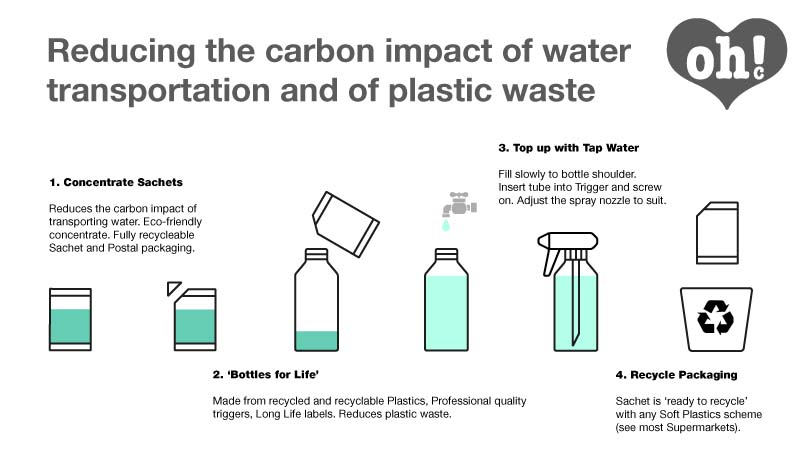
Here's why it's important...
Carbon Impact of Transportation
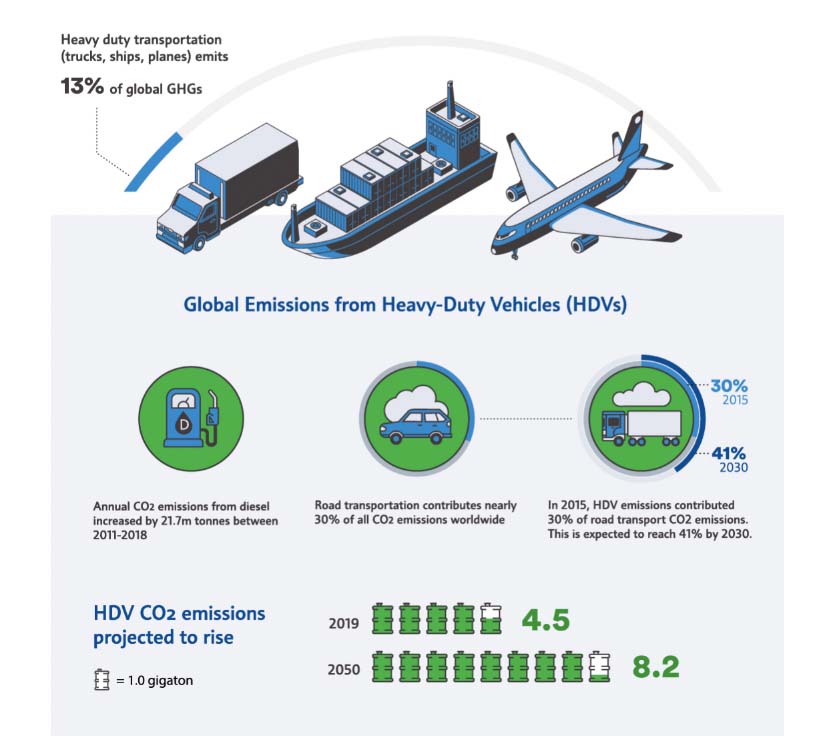
Transport is the fastest-growing contributor to Greenhouse Gas (GHG) emissions world-wide. Although improvements to vehicle
and logistics efficiency are being made, transport volumes, road miles and GHG emissions continue to rise.
Heavy Duty Vehicles (eg. Trucks and Heavy Delivery Vans) account for 25% of all diesel vehicles, but are responsible for 80% of carbon emissions.
The move to online shopping ($4.4 trillion in 2023 and projected to almost double to $6.8 trillion in 2028) has accelerated the impact of road transport on carbon emission levels.
Impact of Plastic Waste
In 2018, the European Parliament overwhelmingly backed a sweeping ban on a range of single-use plastics in an effort to
curb
maritime pollution.
The directive banned items such as plastic straws, cutlery, plates and cotton swabs from 2021 and ensures that 90
percent of plastic bottles are recycled by 2025. MEPs backed the legislation by 571 votes to 53.
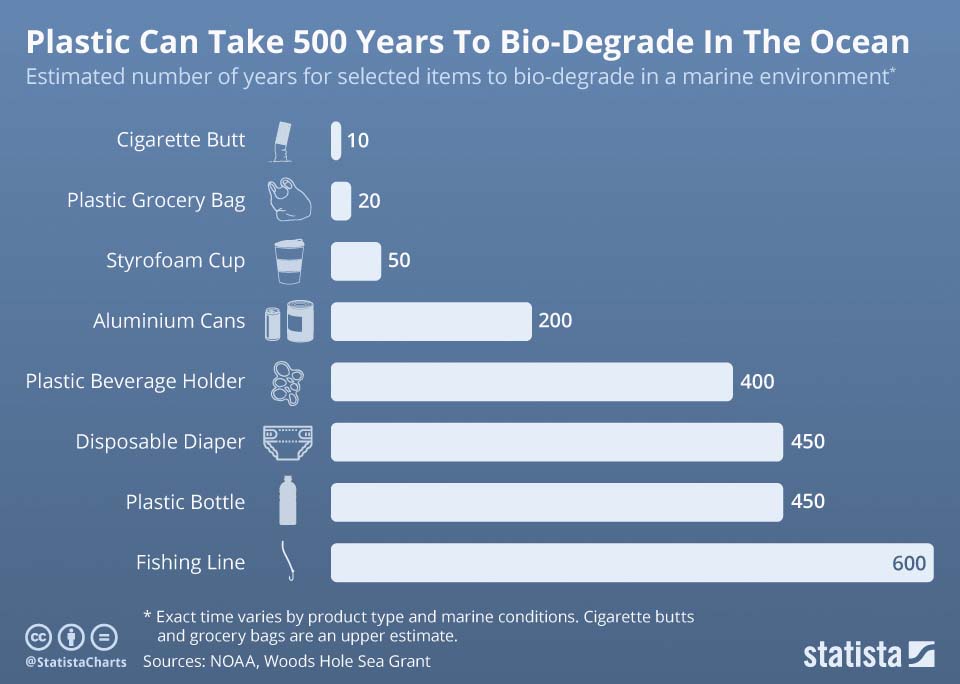
The following infographic uses data from NOAA and Woods Hole Sea Grant to show just how long it takes for a range of other plastic items to bio-degrade in a marine environment. Governments have been highly active
banning plastic grocery bags and they can take twice as long as cigarette butts to bio-degrade. Other items are far worse,
however, with plastic beverage holders, plastic bottles and disposable diapers all taking 400 years or longer to finally
break up and disappear.


© Organic Home Clean, 2026